← Insights · Comparison
WebAR vs app-based AR: which is right for your activation?
ARify · Updated August 2026 · 6 min read
Short answer: for anything the public walks past once — a mural, a billboard, a poster, a pack — WebAR (no app) wins, because the install prompt is the single biggest drop-off in AR. An app earns its place in the opposite case: a deep, connected, or multi-day experience people will download once.
The number that decides it
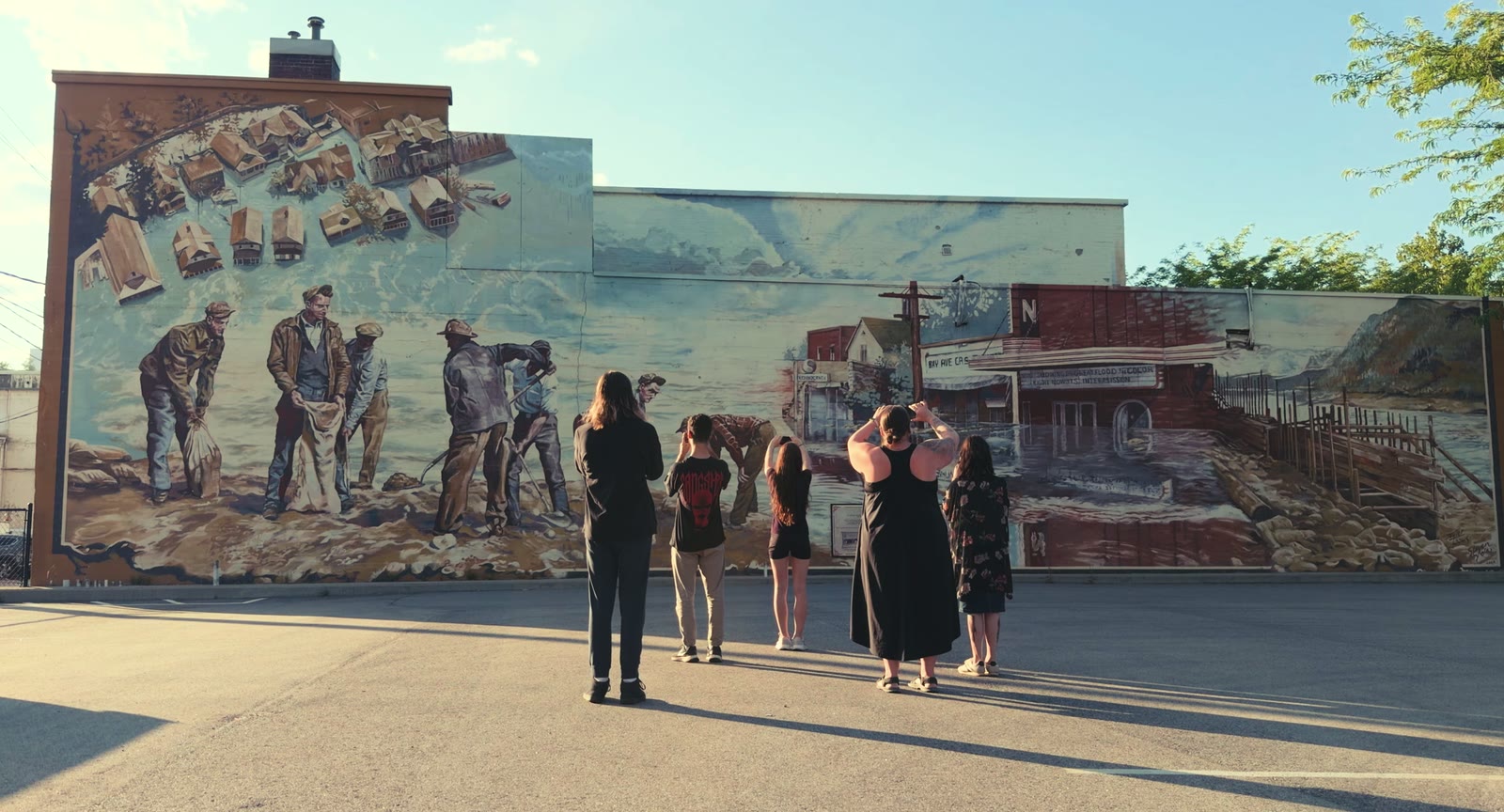
Every step between a person and the experience costs you people. The install prompt is the steepest step there is. Ask a passer-by to find an app, download it, and open it, and most read the prompt, weigh the effort, and keep walking. WebAR deletes that step: they point a phone at the surface, and it opens in the browser they already have. For anything seen once, in passing, that gap is the difference between an experience people have and one they don't.
WebAR vs app-based AR, side by side
| WebAR (no app) | App-based AR | |
|---|---|---|
| Getting in | Point a phone at the surface — opens in the browser | Find, download, and open an app first |
| Best audience | Public, walk-by, one-time viewers | Captive, repeat, opted-in users |
| Reach | Anyone with a phone | Only those who install |
| Maintenance | Hosted — nothing for you to run | App updates, store reviews, upkeep |
| Best for a public activation | ✓ Almost always | Rarely |
When an app is the right call
The install prompt is a real cost, not a reason to never build an app. It buys something in return: a home screen icon, saved state, notifications, an account. When the experience is worth a download, that trade makes sense. Two cases where it does:
A connected experience across many stops
A city-wide scavenger hunt, a season-long trail, a game that remembers where you left off and puts you on a leaderboard. When people return over days or weeks and the experience has to hold state between visits, an app carries it better than a browser tab. The download stops being friction and starts being the front door to something people came for on purpose.
A multi-day event with a captive crowd
A festival, a conference, a fair. The audience is already committed, already on site for days, and one install unlocks a schedule, a map, and every AR moment at once. That is a different bargain from a stranger passing a wall. This crowd will download something they'll open again tomorrow.

You don't always have to choose
The two aren't walls between each other. Because a WebAR build is just a web experience, a partner's app can open it with a link — no separate version to build. Trail's activation runs on its own from a code on the wall, and a scavenger-hunt app was able to pull up the same build with no rebuild at all. Start where the friction is lowest, and let an app layer on top if a bigger, connected experience ever calls for one.
How ARify builds it
Every ARify activation is WebAR by default. We layer the experience over the surface you already have — a wall, a board, a poster, a pack — host it, and hand you a code that opens it in any phone browser. No app to install, nothing for you to maintain, and every scan counted so you can see who engaged. Keep what's there, add the layer, lose the friction.
See what your surface could become →