← Insights · Pricing
How much does an AR mural cost?
ARify · August 2026 · 7 min read
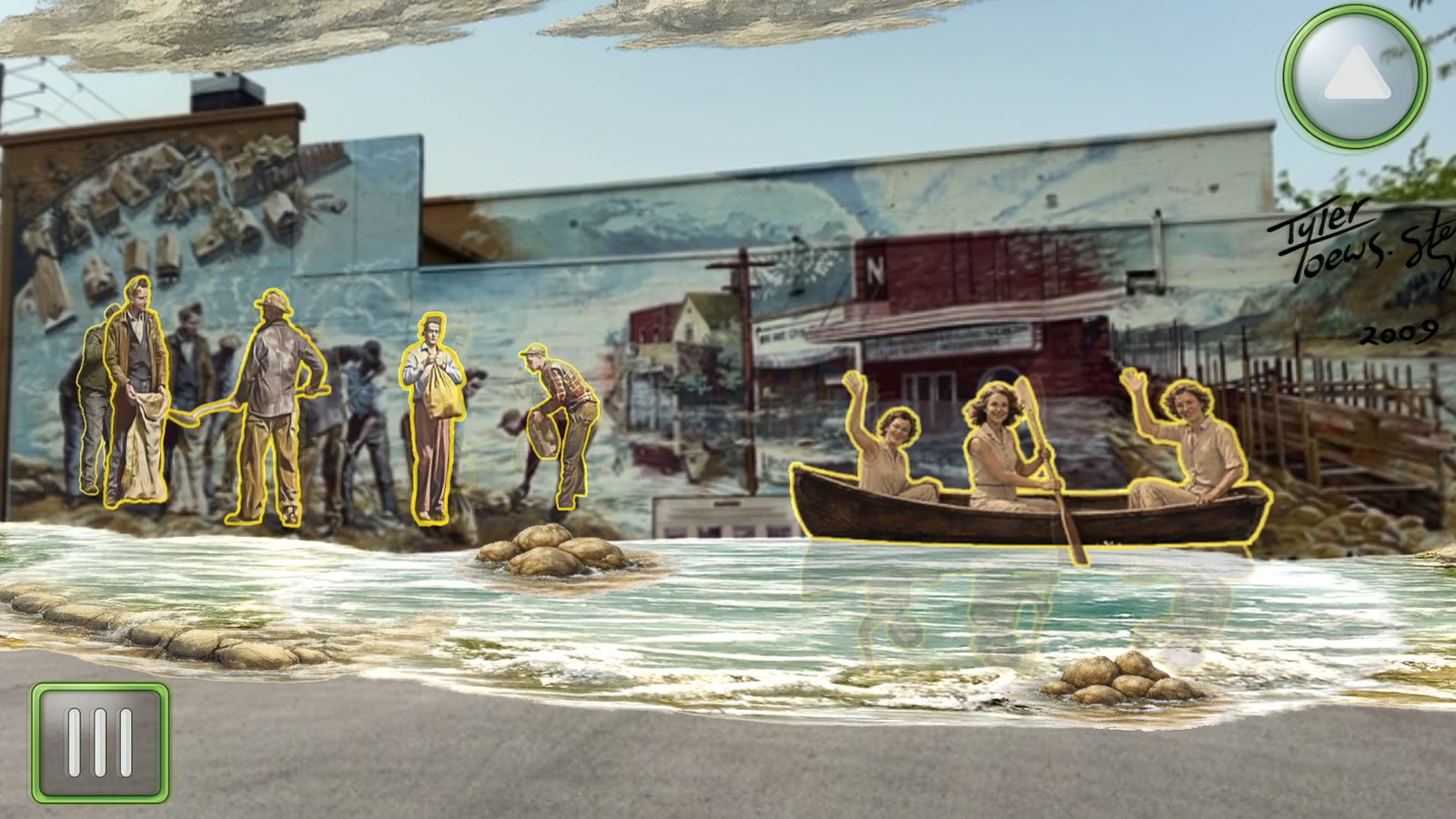
Short answer: a single activation — a mural, a board, a poster, a pack — starts around $10,000 CAD. A multi-target activation, one shared concept spanning several surfaces, starts around $18,000. Flagship campaigns are priced per project. The biggest cost is creative, not technical. Making the AR work is the cheapest part of the build.
What you're paying for
Most of an AR activation budget goes to people thinking and making: deciding what should happen on the surface, designing it, building and animating the content, then getting it to sit steady on a real surface in real daylight. Software licences are a rounding error. Outdoor calibration is where the hours go, and it's the part nobody accounts for until they've stood in front of a wall at noon watching their tracking drift.
Single Activation — from around $10,000
One surface — a wall, a board, a poster, a pack. What that covers:
- Concept and creative direction. We look at the artwork, the site and the story, and design what the experience should be. You approve the direction before production starts.
- A hero moment. 3D or 2D animation, whichever the idea calls for — the thing people came to see.
- Image tracking against your surface, calibrated for its lighting, its angles and the distance people stand at.
- An in-experience menu with your links: the artist, the shop, the next stop, a place to book, give or buy — whatever the surface should lead to.
- QR and signage guidance so people know the experience exists. A surface with no prompt gets no scans.
- Two rounds of revisions during the build.
- Delivered remotely. An on-site visit or launch-day attendance is quoted separately.
Multi-Target Activation — from around $18,000
One shared concept spanning several targets — murals, posters, packs, plaques, storefronts. Each carries its own artwork and its own overlay.
Six targets don't cost six times one. The saving comes from the creative, not the software.
What gets built once:
- A shared concept. Several different target images, each with its own overlay, pulling from one theme and one set of assets — so the stops read as a single story, not six unrelated ones.
- One design system. The same menus, typography, audio treatment and interaction language everywhere.
- One production pipeline. The fifth wall gets built by a process already proven on the first.
What gets built again at every stop:
- Artwork and animation. Every target shows something different, so every target needs its own content made for it.
- Calibration. Light, angles and viewing distance change from target to target, so each one gets tuned against the real thing.
A second location costs much less than the first. The saving grows with every stop you add.
That same shared structure is what makes a trail possible. Visitors move between stops inside one experience, and reporting breaks out per location, so you can see which stop people walked to.
This tier adds deeper interaction, trail and scavenger-hunt mechanics, and integration with an app you already run. Trail, BC's build was a Single Activation, and a partner's scavenger-hunt app picked it up with no rebuild.
Signature Campaign — priced per project
Interactions designed location by location, multi-channel campaign support, PR and social content, and an ongoing refresh programme. These are scoped individually because no two look alike.
What drives the price
01 The vision
Concept and design from people who do this for a living. Deciding what should happen on that wall, for that town, and storyboarding it so everyone can see it before anything gets built. This is the part that decides whether visitors stay for two minutes or two seconds.
02 The scope of the content
2D or 3D. Audio and narration. Effects, particles and lighting. Custom menus, calls to action, links out. Each is production time. 3D built from scratch is the heaviest line in any quote, and animating artwork you already have is the lightest.
03 The location, and how many
Making the experience hold steady on a specific wall, in real daylight, at the angles people stand at. Bright sun, shadow across a surface, and viewing distance all change the work. Being physically on site costs more than delivering remotely.
04 The framework
Making the AR itself work is the least expensive part of the project. The engine is built and proven. A vendor whose quote is mostly technology is charging you to solve a problem that is already solved.
What costs nothing extra
- Hosting, free. For as long as the experience is live. No renewal, no annual fee, no invoice in year three.
- Weekly scan reports, free. Scans, session length and tap-throughs, every week, on every tier. A custom live dashboard is the one reporting option that costs extra.
- Further revisions for two weeks after launch. Real walls reveal things that studios don't. That window is for fixing them.
- Full IP handover. You get the rights to use the experience for your location and your marketing.
Timeline
Four to six weeks from kickoff to live for a single activation. Multi-target campaigns take longer. If you're building toward an unveiling, a festival or a council presentation, tell us the date at the start and we'll work back from it.
Scoping to a budget that won't move
Public art budgets are set before the work starts, so work backwards from the number.
- Start with a wall that's already up. The wall, the artwork and the permissions are already paid for. The whole budget goes into what the wall does next, not into putting it there. That is why a renovation reaches further on the same money. We can also build for a mural still in development. The only constraint is sequence: the AR is designed against the finished artwork, so it launches once the paint has cured.
- Name what the experience must achieve. Draw visitors, tell a history, anchor a festival, give people something to post. Clear goals cost less than vague ones because they cut the guessing.
- Agree on the vision early. Once everyone can see the same thing, the quote gets accurate and stays accurate. Most budget surprises in this work come from a direction that changed after production started.
The cost of leaving the wall alone
Doing nothing looks free. It isn't. The money is already spent, standing there in paint.
- You lose the conversion. Someone stops, looks, and walks on. There's nothing to tap, nowhere to go next, no reason to stay.
- You lose the connection. The wall has a story: who painted it, what happened there, why the town put it up. Paint can't tell it, and neither can a plaque nobody reads.
- You lose the data. A painted wall reports nothing. You cannot tell council how many people it reached, because the number doesn't exist.
- You lose the opportunity. Every visitor who walks past is one you could have sent to the museum, the next mural, the festival page, or a place to give.
That's a real dollar cost, and you can size it. Take whatever the town paid for the wall and set it against the number of people it can prove it reached. For most walls, that second number is zero.
Renovating a mural vs commissioning a new one
These are two different purchases, and they get compared often enough to be worth separating. One puts new art on a bare wall. The other adds a digital layer to art the town already owns. The gap between them is most of the budget.
Commissioning new: this is a much bigger cheque than most people assume. Canadian studio KINN Studios puts a large exterior mural at $15,000 to $50,000 or more. What sits inside that number:
- Artist application: $15 to $30 per square foot, before anything else.
- Design time to develop the concept.
- Surface prep and the paint system itself.
- Protective sealant, UV-resistant and anti-graffiti.
- Scaffolding or a lift, which KINN notes can reach several thousand dollars.
- Insurance for the crew and the site.
- Permits, which are typically not included in a mural quote at all.
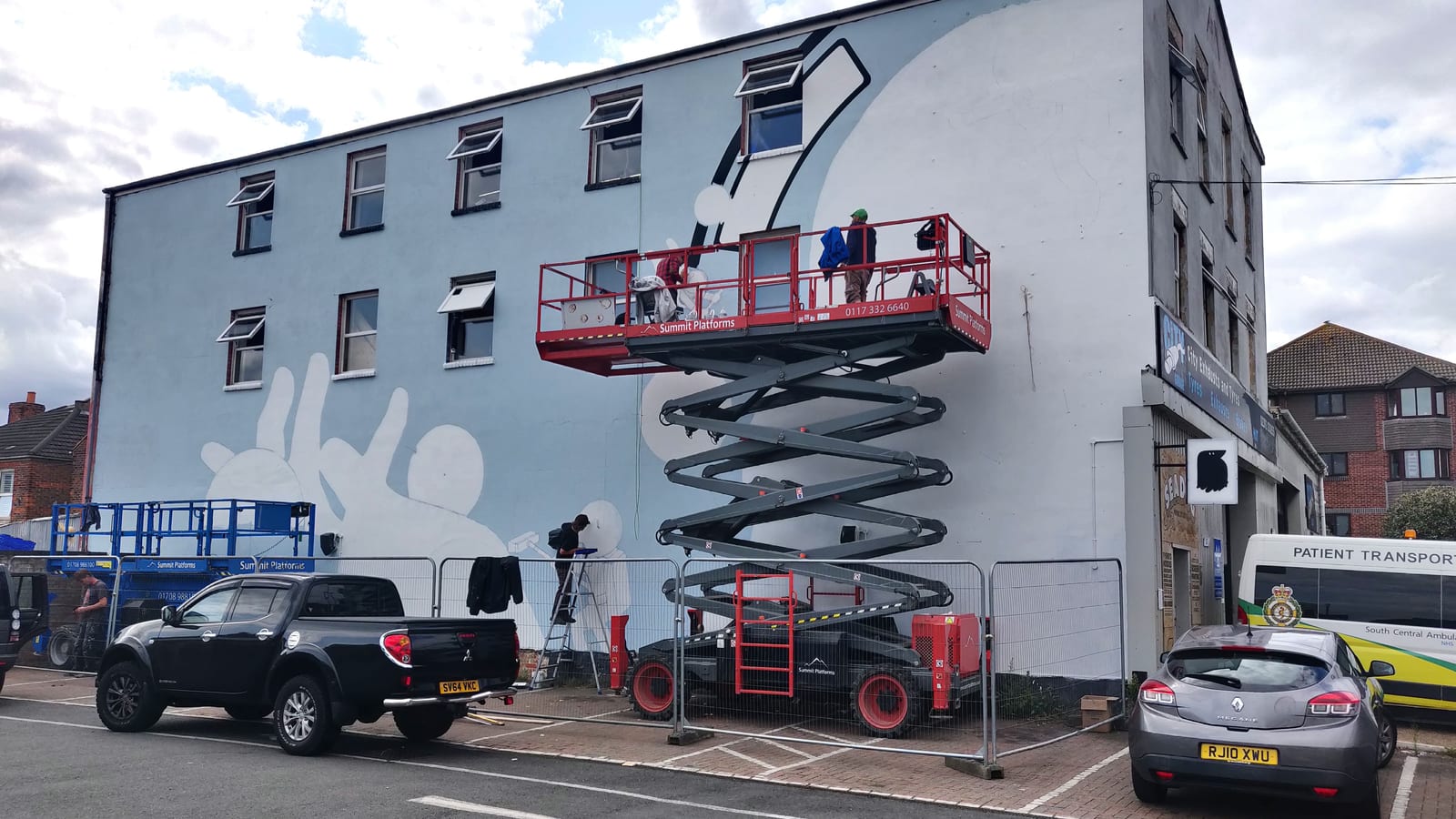
Call it $25,000 for a serious civic wall, and that's before anyone has been invited to interact with it. What the town owns at the end is decoration: beautiful, worth having, and silent. It doesn't move anyone toward the museum, it doesn't tell you whether anyone stopped, and it doesn't follow through.
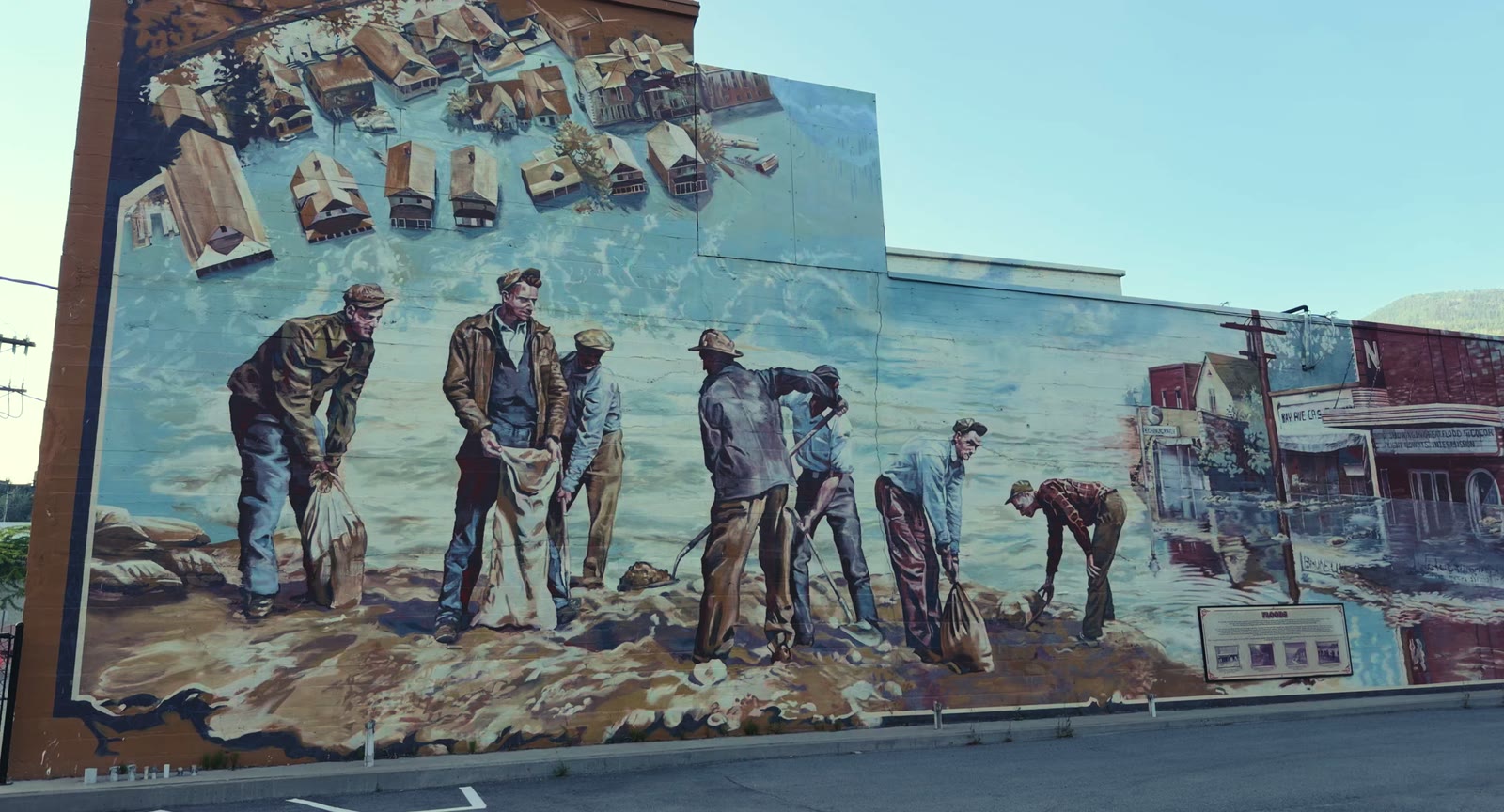
Renovating what's there: around $10,000 for a wall the town already owns. No artist fee, no lift, no permit, no sealant, because that money was spent years ago. The budget buys the layer on top: the story, the reason to stop, the links out, and the reporting that tells you whether any of it worked.
Roughly $25,000 to put a new wall up, or roughly $10,000 to make an existing one do something. None of that argues against new murals. It argues for asking what the ones already standing could be doing.
Where to go next
Full package details and inclusions · What an activation delivered in Trail, BC · Which budget line this comes from
See what your wall could become →