AR for brands & out-of-home
You bought the impressions. Now count them.
We layer no-app AR over the placements you are already running — billboards, transit, retail, packaging, print. A scan is a real event with a real destination, not a modelled impression.
apps to download, or media to re-buy when the message changes
weeks from artwork to live on the placement
to get a free concept of your placement back — no cost, no commitment
What it adds to a buy
The format's oldest weaknesses, fixed.
Out-of-home has always been strong on reach and weak on proof. None of that requires new inventory — it runs on the placement you already booked.
Counted, not modelled
Out-of-home reports estimated impressions off traffic data. This reports actual events — scans, session length, tap-throughs — per site, per day, for the length of the flight.
A click on a printed surface
A poster has never had a destination. Links inside the experience carry people to the offer, the product page, the booking flow — so the placement becomes the top of a funnel instead of the end of one.
New creative without a reprint
Swap the experience mid-flight for a new offer, a new drop or a new season. The printed piece never moves, never gets reprinted, and never costs you again.
Earned reach on paid inventory
It is worth filming, so people film it. The placement picks up social distribution on top of the impressions you already bought.
Nothing to install
No hardware, no power, no permits beyond the ones the placement already has. The AR layer is a QR code and a web build — media owners rarely need to approve anything extra.
What we can activate
If it's printed, painted or wrapped, it can carry a layer.
Billboards & large format
Static supersites, wallscapes, painted walls.
Transit & street furniture
Shelters, platforms, rail and bus interiors.
Retail & in-store
Window vinyl, endcaps, shelf-edge, POS.
Packaging & print
Cartons, labels, direct mail, inserts, press ads.
Events & experiential
Stands, activations, festival builds, popups.
The only real requirement is a stable visual surface for the camera to lock onto. Send us the artwork and we'll tell you if it will track.
Proven in public
The tech already runs in the wild.
ARify's AR runs unattended, outdoors, on a wall strangers walk past. No app, no staff, no hardware. It came through a Canadian winter on a building, and a third-party app reused it with no rebuild.
See the build →What AR does for brands
Revenue in two weeks, Ulta's AR try-on catalog.
Ulta Beauty · Snapchat, 2022
YoY sales at Fendi's AR-mirror stores.
Fendi · auganix, 2024
Product-page views from Gucci's try-on Lens.
Gucci · Snapchat, 2020
Conversion on Goodr's web AR try-on.
Goodr · Snap, 2022
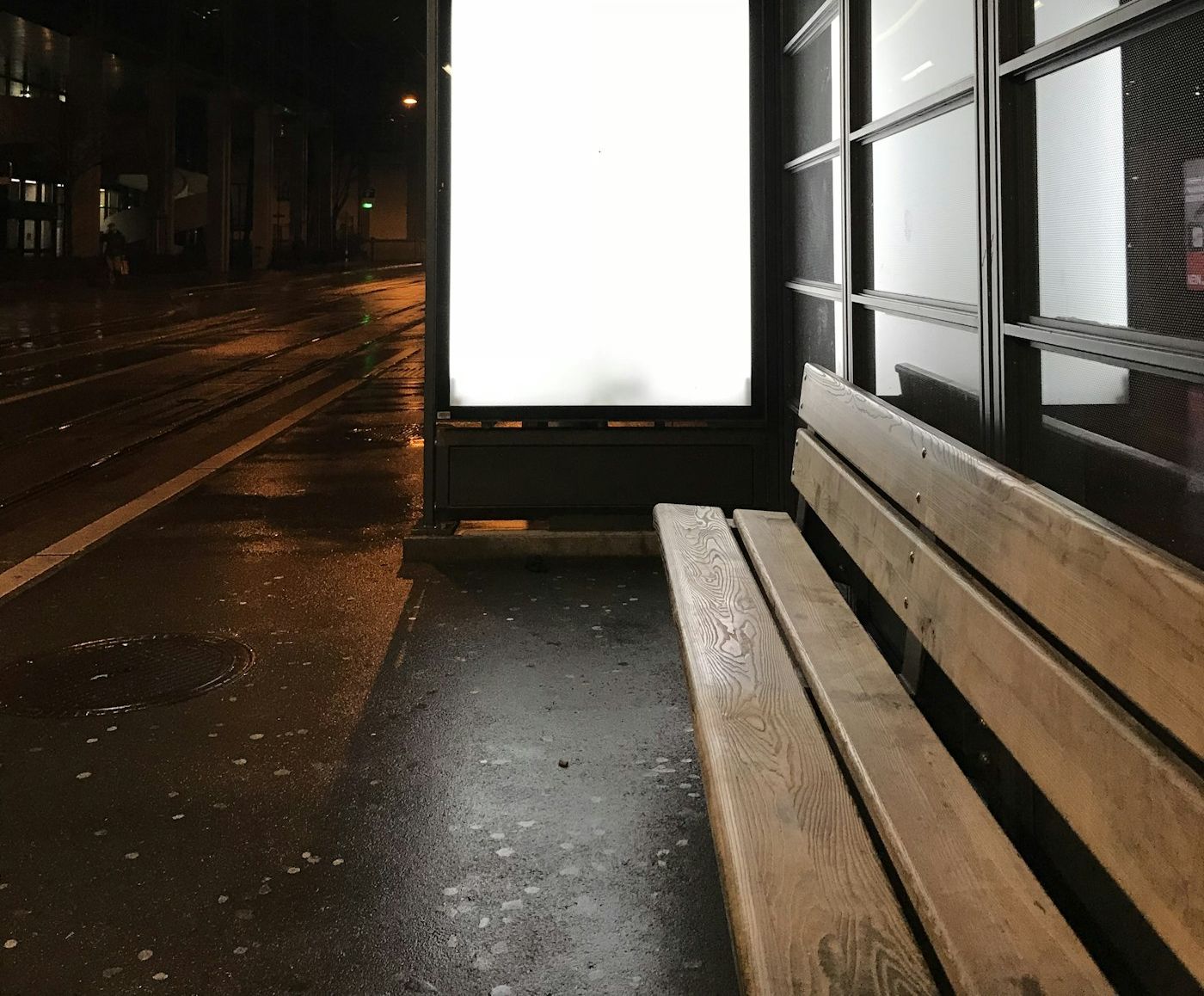
The inventory you already buy
Static media, with a way back to you.
Out-of-home has never had a click. One tap inside the experience puts someone on your offer or your booking flow, and every open is a real event rather than a modelled impression.
See the OOH format →What it costs
Scoped to the buy, not a fixed menu.
Every activation is priced to the placement, the complexity and how many sites it runs on. Hosting and scan reporting are included at every tier. Tell us your budget and we'll show you what it buys.
See scope and ranges →Questions media buyers ask
Before you put it in the plan.
Do people actually scan?
Some will and most won't — that is true of every OOH response mechanic. The difference is that you will know the number instead of estimating it, and the people who do scan give you a session and a destination rather than an impression.
Does this work on inventory we don't own?
Usually. The AR layer is a QR code on the creative plus a web build we host, so there is no hardware and nothing for the media owner to install. Their approval is normally about the artwork, not the technology.
What happens when the flight ends?
The experience keeps running for as long as the link is live, at no ongoing cost. If the creative comes down, the same build can be re-pointed at the next placement rather than rebuilt.
Can we run it across several markets at once?
Yes. One build can serve many sites, and reporting is broken out per site so you can see which markets responded. That is a multi-site activation.